Please be advised that Centennial Spine and Pain does NOT write prescriptions for an initial consultation.

Providers

Dr. L_1

David Lanzkowsky, MD

Nevada

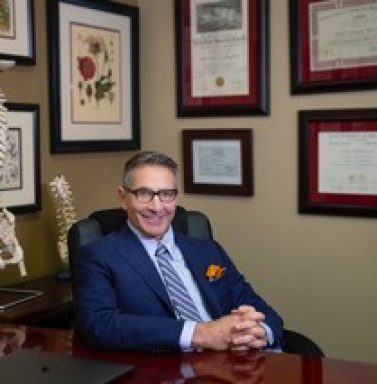
David Lanzkowsky, MD, is a board-certified anesthesiologist with nearly four decades of experience. The founder of Centennial Spine and Pain in Las Vegas, Nevada, Dr. Lanzkowsky is passionate about helping those in his care find lasting relief from acute and chronic pain. Education has always played a central role in Dr. Lanzkowsky’s life.

David Lanzkowsky, MD, is a board-certified anesthesiologist with nearly four decades of experience. The founder of Centennial Spine and Pain in Las Vegas, Nevada, Dr. Lanzkowsky is passionate about helping those in his care find lasting relief from acute and chronic pain. Education has always played a central role in Dr. Lanzkowsky’s life. He completed his medical degree at Ponce Health Sciences University in Puerto Rico. He went on to refine his skills and training through an internship at Sinai Hospital of Baltimore in Maryland and residencies at North Shore University Hospital in Manhasset, New York, and Stony Brook Medicine in New York. In addition to years of hands-on medical care in the field of anesthesiology, Dr. Lanzkowsky has extensive experience in the med-legal field. He’s provided medical expertise for both plaintiffs and defendants during litigation, an experience that gives him a unique perspective when it comes to patient care. Dr. Lanzkowsky also provides in-depth second-opinion reports to give patients deeper insight into their treatment options. Extensive review of an individual’s medical record combined with a thorough diagnostic work-up can give patients a wider scope with which to view their treatment planning. Staying abreast of advancements in interventional pain relief is important to Dr. Lanzkowsky. He spends considerable time and effort researching the tools and techniques used to enhance his patients’ lives. Dr. Lanzkowsky can deliver services in both English and Spanish. When not working with patients, he enjoys spending time with his family. They especially enjoy exploring all of the outdoor adventures available in Park City, Utah.

David Alvarado

David Alvarado, MD

Nevada

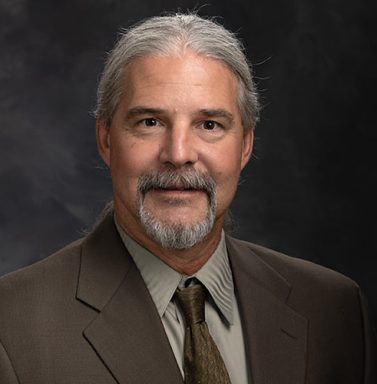
After earning a bachelor’s degree with honors in microbiology from Oregon State University, he completed his Doctor of Medicine from Jefferson Medical College at Thomas Jefferson University in Philadelphia, PA.

A surgery internship at the University of Colorado at Anschutz followed. The University of Southern California served as the site for his anesthesiology residency and interventional pain management fellowship.
Dr. Alvarado was drawn to the pain management field through his desire to concisely target a specific point of anatomy or physiology without having to drastically alter the anatomy in order to improve someone’s life and functionality. “Any unknown pain condition that people don’t know how to treat, I want to see what I can do,” he said.
When approaching medication management as part of developing treatment plans, Dr. Alvarado tailors every aspect to each patient. “Pathology is diverse and varies among patients,” he said. “I will do my utmost to help my patients to the best of my ability and constantly search out other solutions if needed.”
When looking toward the future of pain management, there are a number of treatments and technologies Dr. Alvarado is excited about to help his patients. Some of the methods include advancements in spinal cord stimulators, SI fusions, endoscopic rhizotomies and dorsal root ganglion stimulation.
Away from the office, Dr. Alvarado may be found on the golf course, lifting weights, walking his chihuahua, and spending time with his wife and daughter.

Robert-Sawyer

Robert Sawyer M.D.

Nevada

Dr. Robert C. Sawyer is a dual board-certified Interventional Pain Management and Family Medicine physician with over nine years of clinical experience and 25 years of military service. He has extensive expertise in providing comprehensive care for chronic pain patients through advanced interventions such as spinal cord stimulator implants, interspinous process devices, vertebral nerve ablations, and intrathecal drug delivery systems.

Dr. Robert C. Sawyer is a dual board-certified Interventional Pain Management and Family Medicine physician with over nine years of clinical experience and 25 years of military service. He has extensive expertise in providing comprehensive care for chronic pain patients through advanced interventions such as spinal cord stimulator implants, interspinous process devices, vertebral nerve ablations, and intrathecal drug delivery systems. Dr. Sawyer’s background includes serving as an Interventional Pain Management Physician at Womack Army Medical Center, as well as various leadership roles in military medicine, including Chief Medical Officer for the California Medical Detachment and Primary Care Physician for Special Forces personnel. He holds board certifications in both Pain Management and Family Medicine, with a fellowship in Interventional Pain Management from Brooke Army Medical Center. Dr. Sawyer is also an accomplished military officer, with numerous awards, including the Bronze Star Medal and Meritorious Service Medals.

Dr. Krauchuck

Daniel Krauchuk D.O.

Nevada

Dr. Krauchuk is a double board-certified physician in Pain Medicine and Physical Medicine & Rehabilitation. He combines interventional pain management with physical conditioning to help patients achieve lasting results. A lifelong athlete, he brings the same discipline and dedication to his medical practice.

As a double board certified physician in Pain Medicine and Physical Medicine and Rehabilitation, Dr. Krauchuk has a strong belief in interventional pain management practices as well as strengthening the body through exercise to achieve results. Dr. K is a life-long athlete and to this day keeps a regimented schedule of two workouts per day and surfs regularly. When he’s not working or surfing, Dr. K spends his time doing motor sports or enjoying blues or jazz. 

Nels-Dahlgren

Nels Dahlgren M.D.

New Mexico

Dr. Dahlgren is triple board certified in Anesthesia, Interventional Pain Medicine and Addiction Medicine. His primary focus is comprehensive pain medicine. With extensive experience in the New Mexico area he looks forward to bringing advanced interventional pain management to members of the community.

Dr. Dahlgren is triple board certified in Anesthesia, Interventional Pain Medicine and Addiction Medicine. His primary focus is comprehensive pain medicine. With extensive experience in the New Mexico area he looks forward to bringing advanced interventional pain management to members of the community.

John-Watkins

John Watkins M.D.

New Mexico

Dr. Watkins earned degrees in Psychology and Biology at UNLV where he also completed requirements for medical school matriculation. After graduation Dr. Watkins completed his studies in Medicine at the University of Nevada Reno 1988. He was fortunate to have trained at UCLA in General Surgery and Anesthesiology and remained at UCLA/VA Medical Center as faculty and professor.

Dr. Watkins is a board-certified and accomplished Anesthesiologist and Pain Management specialist with a broad range of technical and clinical expertise mastering both complex pain management and anesthesia. This perspective provides him with the insight and experience to identify the most appropriate and effective methods of treating the full variety of spinal and neuropathic pain conditions.  His experience includes tertiary university settings, private practice and working at New Mexico Pain Centers and previously New Mexico Bone & Joint Institute.  He was Chief of Pain Management and Chief of Anesthesia on a Native Reservation at TCRHCC from 2011 to 2018. He has recently joined Centennial Spine and Pain in Albuquerque.

Dr. Watkins earned degrees in Psychology and Biology at UNLV where he also completed requirements for medical school matriculation. After graduation Dr. Watkins completed his studies in Medicine at the University of Nevada Reno 1988. He was fortunate to have trained at UCLA in General Surgery and Anesthesiology and remained at UCLA/VA Medical Center as faculty and professor. He went into private practice after six years and has been a founder of multi-disciplinary pain management centers in the Los Angeles area and established the first interventional pain center for Native Americans in the USA. He has been in medical practice for over thirty years.

His experience includes extensive experience in the Neurosurgical treatment of pain and medical management of pain conditions in private practice in California Arizona and New Mexico. Dr. Watkins surgical expertise includes spinal cord implants and stabilization techniques as well as cutting edge interventional pain management procedures.

Andrew 1

Andrew Blythe P.A.

Nevada

Andrew Blythe, PA-C is an advanced practice provider joining the practice from Tennessee. He received his bachelors degree from the University of Tennessee in Knoxville, TN where he graduated Summa Cum Maude from the Chancellors Honors Program.

Andrew Blythe, PA-C is an advanced practice provider joining the practice from Tennessee. He received his bachelors degree from the University of Tennessee in Knoxville, TN where he graduated Summa Cum Maude from the Chancellors Honors Program. While in college, he served as the student athletic trainer for the mens baseball team and was an essential member of Applied Physiology Research Laboratory. He received his Masters in Physician Assistant Studies from Trevecca Nazarene University in Nashville, TN. While in training, his focus was on acute care and trauma. He has extensive experience in both orthopedic surgery and interventional pain management. He is happily married and has two precious little girls. He enjoys spending time with family, watching Tennessee football, and Sunday brunch. Andrew is thrilled to be joining the practice and to help serve the people of Las Vegas.

Linda-Corall

Linda Corral N.P.

New Mexico

Linda Corral is a board-certified Family Nurse Practitioner and a native of New Mexico. With nearly 20 years of experience in healthcare, she has held various roles throughout her career. Linda began as a certified nursing assistant before earning her bachelor’s degree from New Mexico State University in 2007. In 2022, she earned her master’s degree from Grand Canyon University. She has experience providing care to pediatric, adult, and geriatric populations in her community.

1740417761239

Christopher Harb, DO

Illinois

Christopher Harb, DO, earned both his bachelor’s degree and medical degree from Michigan State University. He completed his anesthesiology residency at DMC/Wayne State University School of Medicine, followed by an interventional pain fellowship at Rush University Medical Center in Chicago. Dr. Harb then completed an endoscopic spine surgery fellowship at the University of Florida and was the second-ever graduate of the nation’s only dedicated endoscopic spine fellowship. 

Christopher Harb, DO, earned both his bachelor’s degree and medical degree from Michigan State University. He completed his anesthesiology residency at DMC/Wayne State University School of Medicine, followed by an interventional pain fellowship at Rush University Medical Center in Chicago. Dr. Harb then completed an endoscopic spine surgery fellowship at the University of Florida and was the second-ever graduate of the nation’s only dedicated endoscopic spine fellowship. 

Dr. Harb is passionate about helping patients overcome chronic pain and regain quality of life. He focuses on providing durable or definitive treatment options for spinal conditions and is highly skilled in advanced interventional pain procedures and minimally invasive surgery.

Outside of medicine, he enjoys cooking, traveling, fitness, golf, and spending time with family and friends.

Addressing the Concerning Issue of Medication Shortages

Access to medications is an essential aspect of healthcare that should be readily available to everyone in need. However, an increasing concern in the healthcare industry is the occurrence of medication shortages. This blog post aims to shed light on this issue, discuss its causes, and explore potential solutions to ensure patients receive the medications they require.

Understanding Medication Shortages:

Medication shortages refer to situations where the demand for a particular drug surpasses the available supply. These shortages can affect both brand-name and generic medications, impacting patients across various medical conditions and treatment plans. The consequences of medication shortages are far-reaching and can lead to compromised patient care, delayed treatments, and increased healthcare costs.

Causes of Medication Shortages:

Several factors contribute to the occurrence of medication shortages. Some of the primary causes include:

  • Manufacturing Issues: Problems within the manufacturing process, such as production delays, quality control issues, or equipment failures, can disrupt the supply chain and lead to shortages.
  • Regulatory Challenges: Regulatory changes, including issues with drug approvals, recalls, or new safety requirements, can impact the availability of medications in the market.
  • Supply Chain Disruptions: Natural disasters, transportation challenges, or disruptions in the global supply chain can disrupt the flow of medications, causing shortages in certain regions or countries.
  • Market Dynamics: Market forces and economic factors, such as price fluctuations, low-profit margins, or consolidation within the pharmaceutical industry, can also contribute to medication shortages.

Addressing Medication Shortages:

Efforts are being made at various levels to mitigate medication shortages and ensure uninterrupted access to essential drugs. Here are some potential solutions:

  • Improved Communication and Transparency: Enhancing communication and transparency among stakeholders, including manufacturers, healthcare providers, regulators, and patients, can help identify and address shortages promptly.
  • Diversification of Suppliers: Reducing reliance on a limited number of suppliers or manufacturers can enhance supply chain resilience and reduce the impact of disruptions.
  • Regulatory Reforms: Regulatory agencies can play a significant role in streamlining the drug approval process, implementing policies to prevent shortages, and expediting the review of manufacturing facilities to ensure quality and reliability.
  • Collaboration and Information Sharing: Collaborative efforts among healthcare organizations, professional associations, and government agencies can facilitate information sharing, early identification of shortages, and coordinated responses to address them effectively.
  • Strategic Stockpiling: Building and maintaining strategic stockpiles of critical medications can help mitigate the impact of sudden shortages and ensure availability during emergencies.

Medication shortages are a complex issue that requires attention and concerted efforts from all stakeholders involved. By addressing the root causes, improving communication, and implementing proactive measures, we can work towards minimizing the impact of shortages on patient care. Together, we can ensure that every patient receives the medications they need, when they need them, for a healthier and more resilient healthcare system.

Note: The information provided in this blog post is for informational purposes only and should not be considered medical or professional advice. Please consult with a healthcare professional or pharmacist for specific medication concerns or questions.

How is Pain and Mental Health Connected?

Mental health and pain are closely linked, and people who suffer from chronic pain are more likely to experience mental health issues like depression, anxiety, and stress. Here are some ways in which mental health and pain are connected:

  1. Pain can cause or worsen mental health problems: Living with chronic pain can be a source of ongoing stress and anxiety, and it can also interfere with sleep, work, and social activities. This can lead to depression, anxiety, and other mental health problems.
  2. Mental health problems can cause or worsen pain: On the other hand, mental health problems like anxiety and depression can also cause or worsen physical pain. This is because stress and anxiety can increase muscle tension and inflammation, which can exacerbate pain.
  3. The brain processes pain and emotions in similar ways: The brain regions that process physical pain and emotional distress overlap, which means that mental health problems can influence how we perceive and cope with pain. This is why people who are anxious or depressed may have a lower pain tolerance and find it harder to manage their pain.
  4. Pain and mental health issues can create a vicious cycle: When pain and mental health problems are present together, they can create a negative cycle that is difficult to break. Pain can worsen mental health, which can worsen pain, and so on. This can make it harder to find effective treatment and improve overall quality of life.

For these reasons, it’s important to address both physical and mental health when treating chronic pain. This might include a combination of medication, physical therapy, psychotherapy, and self-care strategies to manage both pain and mental health symptoms.

The Complex Link Between Mental Health and Chronic Pain

Chronic pain and mental health are two intricate aspects of human well-being that are deeply interconnected. While chronic pain refers to persistent discomfort lasting for more than three months, mental health encompasses emotional, psychological, and social well-being. This blog post delves into the complex relationship between these two domains, shedding light on how mental health influences chronic pain and vice versa.

The Mind-Body Connection:

The connection between mental health and chronic pain can be explained by the mind-body connection, which suggests that our mental state can significantly impact physical sensations. Research has shown that psychological factors such as stress, anxiety, and depression can exacerbate chronic pain symptoms. Likewise, individuals experiencing chronic pain are more likely to develop mental health disorders due to the ongoing physical and emotional distress.

Psychological Factors and Chronic Pain:

Psychological factors play a crucial role in the perception and experience of chronic pain. Stress, for example, triggers the release of stress hormones, intensifying pain sensations. Anxiety amplifies pain sensitivity, making individuals more prone to magnifying their discomfort. Depression, characterized by persistent sadness and loss of interest, often coexists with chronic pain, creating a vicious cycle where pain worsens depressive symptoms, and depression, in turn, heightens pain perception.

The Biopsychosocial Model:

The biopsychosocial model provides a comprehensive framework for understanding the connection between mental health and chronic pain. According to this model, chronic pain arises from a combination of biological, psychological, and social factors. Biological factors include genetic predispositions, nerve damage, and inflammation, while psychological factors involve mood disorders, cognitive processes, and coping mechanisms. Social factors encompass social support, cultural influences, and socioeconomic status. All three domains interact and contribute to the experience of chronic pain.

Impact on Treatment Outcomes:

The influence of mental health on chronic pain has significant implications for treatment outcomes. Traditional approaches focused solely on alleviating physical symptoms often fall short in providing comprehensive relief. Integrating mental health interventions, such as cognitive-behavioral therapy, mindfulness practices, and stress reduction techniques, can improve pain management outcomes. Addressing psychological factors not only enhances coping strategies but also helps individuals regain control over their lives, leading to better overall well-being.

The Importance of Holistic Care:

Considering the interdependence of mental health and chronic pain, adopting a holistic approach to care becomes crucial. Healthcare providers should adopt a multidisciplinary approach, collaborating with psychologists, physical therapists, and pain management specialists. By addressing both physical and psychological aspects, a more comprehensive treatment plan can be developed, tailored to each individual’s unique needs.

Self-Care Strategies:

Individuals living with chronic pain can also take proactive steps to improve their mental health and manage pain effectively. Engaging in activities that promote relaxation, such as meditation, deep breathing exercises, and gentle physical movement, can provide relief from both physical and emotional distress. Building a support network of friends, family, or support groups can also foster a sense of community and reduce feelings of isolation.

The connection between mental health and chronic pain is a complex and multifaceted one. Recognizing and addressing the psychological aspects of chronic pain is vital for effective management and improved quality of life. By adopting a holistic approach to care and integrating mental health interventions into treatment plans, individuals can experience a more comprehensive and balanced approach to healing. Remember, taking care of both your mind and body is essential in the journey towards better overall well-being.

The Role of Nutrition in Managing Chronic Pain

Introduction:

Living with chronic pain can be a daunting challenge, impacting various aspects of daily life. While medical interventions and pain management strategies are essential, the role of nutrition in managing chronic pain is often overlooked. In this blog post, we will explore how proper nutrition can play a crucial role in alleviating pain symptoms, reducing inflammation, and promoting overall well-being for individuals living with chronic pain.

Anti-Inflammatory Foods:

Inflammation is often associated with chronic pain conditions. Including anti-inflammatory foods in your diet can help reduce inflammation and alleviate pain. Some examples of anti-inflammatory foods include fatty fish rich in omega-3 fatty acids (such as salmon and sardines), colorful fruits and vegetables (like berries, leafy greens, and cruciferous vegetables), nuts and seeds, olive oil, turmeric, and ginger. These foods contain natural compounds that can help modulate the inflammatory response in the body, providing relief from pain.

Omega-3 Fatty Acids:

Omega-3 fatty acids have been widely studied for their potential benefits in managing chronic pain. These healthy fats can be found in fish, flaxseeds, chia seeds, and walnuts. Omega-3 fatty acids have anti-inflammatory properties and may help reduce pain associated with conditions like arthritis, fibromyalgia, and migraines. Including these foods in your diet or considering omega-3 supplements can be beneficial for managing chronic pain.

Balanced Diet:

Maintaining a well-balanced diet is crucial for overall health and can positively impact chronic pain management. Focus on incorporating a variety of nutrient-dense foods such as lean proteins, whole grains, fruits, vegetables, and healthy fats into your meals. A balanced diet provides essential vitamins, minerals, and antioxidants that support cellular health, immune function, and promote overall well-being. By nourishing your body with the right nutrients, you can optimize your body’s ability to manage pain and promote healing.

Hydration:

Staying adequately hydrated is often underestimated but plays a vital role in managing chronic pain. Dehydration can exacerbate pain and contribute to muscle stiffness and fatigue. Aim to drink sufficient water throughout the day and limit the consumption of sugary beverages. Adequate hydration supports the delivery of nutrients to cells, facilitates detoxification processes, and promotes optimal functioning of bodily systems, which can positively impact pain perception.

Mindful Eating:

Practicing mindful eating techniques can enhance the benefits of nutrition in managing chronic pain. Mindful eating involves paying attention to the sensory experience of eating, including taste, texture, and smell. By slowing down and savoring each bite, you can better tune into your body’s hunger and fullness cues, making healthier food choices and avoiding overeating. Mindful eating also encourages a more positive and mindful relationship with food, promoting overall well-being.

Avoiding Trigger Foods:

Some individuals with chronic pain conditions find that certain foods can exacerbate their symptoms. While trigger foods can vary from person to person, common culprits include processed foods, refined sugars, caffeine, alcohol, and foods high in trans fats. Keeping a food diary and noting any patterns between certain foods and pain flare-ups can help identify potential trigger foods. By avoiding or minimizing the consumption of these triggers, you may experience a reduction in pain symptoms.

Conclusion:

Proper nutrition is a valuable tool in managing chronic pain and promoting overall well-being. Incorporating anti-inflammatory foods, including omega-3 fatty acids, maintaining a balanced diet, staying hydrated, practicing mindful eating, and avoiding trigger foods can contribute to reducing inflammation, optimizing cellular health, and enhancing pain management. It’s important to consult with a healthcare professional or a registered dietitian to tailor a nutrition plan that suits your specific needs and health condition. By nourishing your body with the right nutrients, you can take an active role in managing your chronic pain and improving your quality of life.

Understanding Neuropathy: Causes, Symptoms, and Treatment Options

Neuropathy is a condition characterized by damage or dysfunction of the peripheral nerves, which transmit signals between the brain, spinal cord, and the rest of the body. It can cause a range of symptoms, including pain, numbness, tingling, and muscle weakness. In this blog post, we will delve into the causes, symptoms, and available treatment options for neuropathy.

Causes of Neuropathy:

  • Neuropathy can have various underlying causes, including:
  • Diabetes: Diabetic neuropathy is one of the most common forms of neuropathy, resulting from long-term uncontrolled blood sugar levels.
  • Autoimmune diseases: Conditions like rheumatoid arthritis, lupus, and Guillain-Barré syndrome can lead to neuropathy.
  • Infections: Certain viral or bacterial infections, such as shingles or Lyme disease, can damage peripheral nerves.
  • Trauma: Injuries or accidents that impact the nerves can cause neuropathy.
  • Medications and toxins: Some medications and exposure to certain toxins, such as chemotherapy drugs or excessive alcohol consumption, can result in nerve damage.
  • Symptoms of Neuropathy:
  • The symptoms of neuropathy can vary depending on the nerves affected and the underlying cause. Common symptoms include:
  • Pain: Sharp, shooting, or burning pain in the affected area.
  • Numbness and tingling: A loss of sensation or abnormal sensations like pins and needles.
  • Muscle weakness: Difficulty with movements and decreased muscle strength.
  • Sensitivity to touch: Increased sensitivity to even light touch or temperature changes.
  • Balance problems: Coordination and balance issues due to sensory nerve damage.

Diagnosis and Treatment Options:

If you suspect you have neuropathy, it is crucial to seek medical attention for a proper diagnosis. A healthcare professional will conduct a comprehensive evaluation, including a medical history review, physical examination, and potentially nerve conduction studies or imaging tests.

Treatment options for neuropathy aim to address the underlying cause, manage symptoms, and improve quality of life. They may include:

  • Medications: Pain relievers, topical creams, and certain antidepressants or anti-seizure medications can help manage neuropathic pain.
  • Physical therapy: Exercises and techniques to improve strength, balance, and mobility.
  • Transcutaneous electrical nerve stimulation (TENS): A device that delivers low-level electrical currents to provide pain relief.
  • Lifestyle modifications: Managing underlying conditions, such as diabetes or alcoholism, can help prevent further nerve damage.
  • Alternative therapies: Complementary approaches like acupuncture, massage, and yoga may offer symptom relief for some individuals.

Neuropathy is a complex condition that can significantly impact an individual’s daily life. Recognizing the causes, understanding the symptoms, and exploring available treatment options are essential steps towards managing neuropathy effectively. If you suspect you may have neuropathy, consult a healthcare professional to receive a proper diagnosis and develop an appropriate treatment plan tailored to your specific needs.

Dispelling the Myths: Debunking Common Misconceptions about Pain Management

Pain management is a complex field that is often surrounded by misconceptions and myths. These misconceptions can hinder individuals from seeking effective treatments and finding relief. In this blog post, we will debunk common myths about pain management, shedding light on the truth and empowering individuals to make informed decisions about their pain management journey.

Myth 1: Pain Medications are the Only Solution:

One prevalent myth is that pain medications are the sole solution for managing chronic pain. While medications can be helpful in many cases, they are not the only approach. Pain management encompasses a wide range of techniques, including physical therapy, cognitive-behavioral therapy, exercise, relaxation techniques, alternative therapies, and more. It is essential to work with healthcare professionals to explore a multidisciplinary approach that best suits your specific needs.

Myth 2: Pain is Just a Part of Aging:

Another common misconception is that pain is an inevitable part of the aging process. While it is true that some age-related conditions may cause pain, it is not a normal or unavoidable part of growing older. Pain should not be dismissed or ignored based on age. It is important to consult with healthcare professionals to identify the underlying causes of pain and develop appropriate management strategies.

Myth 3: Pain is All in Your Head:

Contrary to the belief that pain is purely psychological, pain is a complex interaction between physical, psychological, and social factors. The perception of pain involves the nervous system and can be influenced by emotions, stress, and past experiences. However, this does not mean that pain is imaginary or solely a result of psychological factors. Validating and addressing pain from a holistic perspective is crucial for effective pain management.

Myth 4: Rest is the Best Treatment for Pain:

While rest is essential for healing acute injuries, excessive rest is not always the best approach for managing chronic pain. Prolonged inactivity can lead to muscle weakness, stiffness, and increased pain. Physical activity, when tailored to individual capabilities, can strengthen muscles, improve flexibility, and promote overall well-being. It is important to strike a balance between rest and appropriate physical activity in consultation with healthcare professionals.

Myth 5: You Just Have to Live with the Pain:

Some individuals believe that chronic pain is something they have to endure indefinitely without hope for relief. However, there are various effective pain management strategies available. It is essential to work closely with healthcare professionals who specialize in pain management to explore different treatment options, including medications, therapies, and interventions that can help improve quality of life and reduce pain levels.

Myth 6: Alternative Therapies are Ineffective:

Alternative therapies, such as acupuncture, chiropractic care, massage therapy, and herbal remedies, are often dismissed as ineffective or lacking scientific evidence. While the effectiveness of these therapies may vary depending on the individual and the specific condition, many people find relief and improved well-being through alternative approaches. It is important to approach alternative therapies with an open mind and consult reputable practitioners.

Debunking common myths about pain management is essential to help individuals make informed decisions about their well-being. Pain management is a multidimensional approach that encompasses various techniques and strategies tailored to individual needs. By dispelling misconceptions, we can encourage individuals to seek appropriate treatments, explore diverse approaches, and work with healthcare professionals to find effective pain management solutions. Remember, pain management is a journey of discovery and collaboration, and everyone deserves the opportunity to live a fulfilling life with reduced pain.

dwdewdew