Please be advised that Centennial Spine and Pain does NOT write prescriptions for an initial consultation.

Providers

Dr. L_1

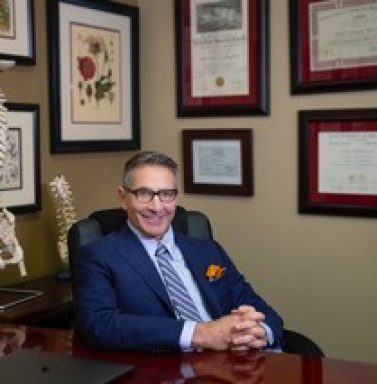
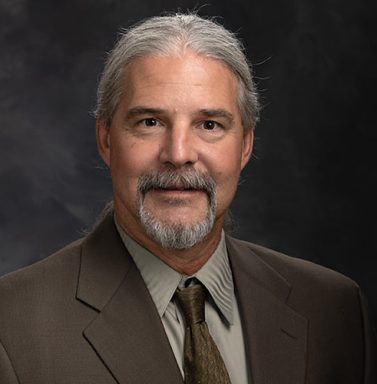
David Lanzkowsky, MD

Nevada

David Lanzkowsky, MD, is a board-certified anesthesiologist with nearly four decades of experience. The founder of Centennial Spine and Pain in Las Vegas, Nevada, Dr. Lanzkowsky is passionate about helping those in his care find lasting relief from acute and chronic pain. Education has always played a central role in Dr. Lanzkowsky’s life.

David Lanzkowsky, MD, is a board-certified anesthesiologist with nearly four decades of experience. The founder of Centennial Spine and Pain in Las Vegas, Nevada, Dr. Lanzkowsky is passionate about helping those in his care find lasting relief from acute and chronic pain. Education has always played a central role in Dr. Lanzkowsky’s life. He completed his medical degree at Ponce Health Sciences University in Puerto Rico. He went on to refine his skills and training through an internship at Sinai Hospital of Baltimore in Maryland and residencies at North Shore University Hospital in Manhasset, New York, and Stony Brook Medicine in New York. In addition to years of hands-on medical care in the field of anesthesiology, Dr. Lanzkowsky has extensive experience in the med-legal field. He’s provided medical expertise for both plaintiffs and defendants during litigation, an experience that gives him a unique perspective when it comes to patient care. Dr. Lanzkowsky also provides in-depth second-opinion reports to give patients deeper insight into their treatment options. Extensive review of an individual’s medical record combined with a thorough diagnostic work-up can give patients a wider scope with which to view their treatment planning. Staying abreast of advancements in interventional pain relief is important to Dr. Lanzkowsky. He spends considerable time and effort researching the tools and techniques used to enhance his patients’ lives. Dr. Lanzkowsky can deliver services in both English and Spanish. When not working with patients, he enjoys spending time with his family. They especially enjoy exploring all of the outdoor adventures available in Park City, Utah.

David Alvarado

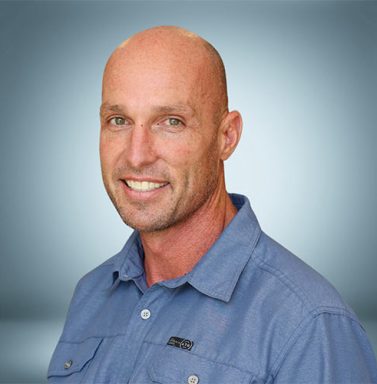
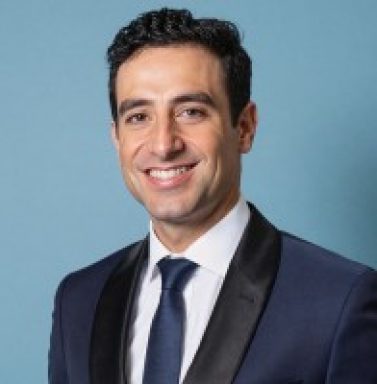
David Alvarado, MD

Nevada

After earning a bachelor’s degree with honors in microbiology from Oregon State University, he completed his Doctor of Medicine from Jefferson Medical College at Thomas Jefferson University in Philadelphia, PA.

A surgery internship at the University of Colorado at Anschutz followed. The University of Southern California served as the site for his anesthesiology residency and interventional pain management fellowship.
Dr. Alvarado was drawn to the pain management field through his desire to concisely target a specific point of anatomy or physiology without having to drastically alter the anatomy in order to improve someone’s life and functionality. “Any unknown pain condition that people don’t know how to treat, I want to see what I can do,” he said.
When approaching medication management as part of developing treatment plans, Dr. Alvarado tailors every aspect to each patient. “Pathology is diverse and varies among patients,” he said. “I will do my utmost to help my patients to the best of my ability and constantly search out other solutions if needed.”
When looking toward the future of pain management, there are a number of treatments and technologies Dr. Alvarado is excited about to help his patients. Some of the methods include advancements in spinal cord stimulators, SI fusions, endoscopic rhizotomies and dorsal root ganglion stimulation.
Away from the office, Dr. Alvarado may be found on the golf course, lifting weights, walking his chihuahua, and spending time with his wife and daughter.

William-Baumgartl

William Baumgartl, MD

Nevada

Dr. Baumgartl has a rare background combining Mechanical and Biomedical Engineering, and Medicine. After receiving a Bachelor’s and Master’s degree in Engineering from Virginia Tech, Dr. Baumgartl went to medical school at the University of Florida. Following this, he did training in orthopedic surgery, and completed his Residency in Anesthesiology, and a Fellowship in Pain Management at UC San Francisco.

He also completed training in Acupuncture through the UCLA Medical School, and was in the A4M Fellowship program for Hormone Replacement Therapy and Functional medicine. Dr. William Baumgartl is the former director of Stem Cell Therapies at Nevada Spine Center, where he led the Second Opinion/Consult program for Advanced Pain Diagnosis and Treatment, and specializes in treating many unusual problems. He continues to consult for Regenerative procedures at Sage Pain and Wellness in San Diego. Prior to that, Dr. Baumgartl was the previous director of Interventional Pain Management at UC Davis in California, and was an advanced instructor of interventional pain treatment techniques. Dr. Baumgartl is triple-boarded in Anesthesiology, Addiction Medicine, and Pain Medicine by the American board of Anesthesiology.

Prior to coming to Las Vegas, Dr. Baumgartl had a 20 year career in San Francisco Bay area in California, where he was known for developing innovative techniques for pain control. Following this, he moved to Las Vegas to Direct a Functional medicine program while expanding his implant pain technologies, followed by being lead implanter for pump and stimulator technologies. Using his engineering background approach for problem solving, many new treatments for unusual pain problems were developed, with great success. Dr. Baumgartl has particular expertise in the use of Botox to treat a variety of pain problems, and in implantable pump and stimulator technology. He also worked with Elan Pharmaceuticals in the development of the protocol used for trialing Prialt, the newest implanted-pump pain medication. Dr. Baumgartl has a patent pending for a new advanced arthritis treatment, the I-O Core Procedure ® which uses stem cell technologies, and has been an innovator in stem cell therapies. More than half of Dr. Baumgartl’s current work and research is using advanced regenerative and stem cell technologies to reverse degeneration and pain.

Recognizing that more than 80% of pain patients develop significant hormone/endocrine dysfunction, Dr. Baumgartl went on to receive further training in Hormone restoration and Functional Metabolic Medicine. This important new area of Pain Management focuses on how to improve how patients feel, and to restore their energy and sleep in conjunction with their pain care. This more recently augmented with the use of Peptide therapies, which further enhance the stem cell repairs and healing in the body. Adapting these technologies, Dr. Baumgartl also became certified in hyperbaric medicine, and uses stem cell techniques to heal wounds which often have been present for years. Dr. Baumgartl takes a very holistic approach to correcting both the patients physical pain problems, as well as restoring their sense of well-being. Dr. Baumgartl has extensive expertise in Endocrine and Pain Pharmacology, and in the medical management of pain. His goal is to relieve you of your pain, and to help you to finally feel normal and well again.

Education

Bachelor’s and Masters of Science in Mechanical Engineering from Virginia Tech, Blacksburg, VA, with a Minor in Piano Performance/Music.
University of Florida Medical School, Gainsville, FL
Residency in Anesthesiology University of California, San Francisco
Fellow in Comprehensive and Interventional Pain Management, University of California San Francisco
Diplomat, American Board of Anesthesiology in Pain Management
Board Certified, American Board of Anesthesiology
Board-Certified in Addiction Medicine
Medical Acupuncture for Physicians, UCLA School of Medicine
Addiction and Metabolic Medicine Fellow, University of South Florida, Tampa, FL.

Dr. Krauchuck

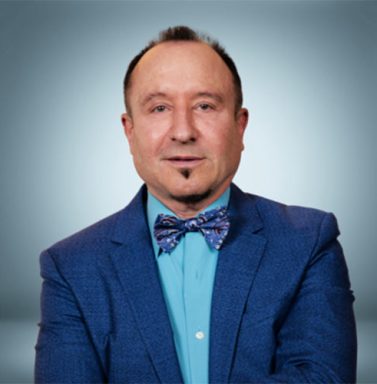
Daniel Krauchuk D.O.

Nevada

Dr. Krauchuk is a double board-certified physician in Pain Medicine and Physical Medicine & Rehabilitation. He combines interventional pain management with physical conditioning to help patients achieve lasting results. A lifelong athlete, he brings the same discipline and dedication to his medical practice.

As a double board certified physician in Pain Medicine and Physical Medicine and Rehabilitation, Dr. Krauchuk has a strong belief in interventional pain management practices as well as strengthening the body through exercise to achieve results. Dr. K is a life-long athlete and to this day keeps a regimented schedule of two workouts per day and surfs regularly. When he’s not working or surfing, Dr. K spends his time doing motor sports or enjoying blues or jazz. 

Nels-Dahlgren

Nels Dahlgren M.D.

New Mexico

Dr. Dahlgren is triple board certified in Anesthesia, Interventional Pain Medicine and Addiction Medicine. His primary focus is comprehensive pain medicine. With extensive experience in the New Mexico area he looks forward to bringing advanced interventional pain management to members of the community.

Dr. Dahlgren is triple board certified in Anesthesia, Interventional Pain Medicine and Addiction Medicine. His primary focus is comprehensive pain medicine. With extensive experience in the New Mexico area he looks forward to bringing advanced interventional pain management to members of the community.

John-Watkins

John Watkins M.D.

New Mexico

Dr. Watkins earned degrees in Psychology and Biology at UNLV where he also completed requirements for medical school matriculation. After graduation Dr. Watkins completed his studies in Medicine at the University of Nevada Reno 1988. He was fortunate to have trained at UCLA in General Surgery and Anesthesiology and remained at UCLA/VA Medical Center as faculty and professor.

Dr. Watkins is a board-certified and accomplished Anesthesiologist and Pain Management specialist with a broad range of technical and clinical expertise mastering both complex pain management and anesthesia. This perspective provides him with the insight and experience to identify the most appropriate and effective methods of treating the full variety of spinal and neuropathic pain conditions.  His experience includes tertiary university settings, private practice and working at New Mexico Pain Centers and previously New Mexico Bone & Joint Institute.  He was Chief of Pain Management and Chief of Anesthesia on a Native Reservation at TCRHCC from 2011 to 2018. He has recently joined Centennial Spine and Pain in Albuquerque.

Dr. Watkins earned degrees in Psychology and Biology at UNLV where he also completed requirements for medical school matriculation. After graduation Dr. Watkins completed his studies in Medicine at the University of Nevada Reno 1988. He was fortunate to have trained at UCLA in General Surgery and Anesthesiology and remained at UCLA/VA Medical Center as faculty and professor. He went into private practice after six years and has been a founder of multi-disciplinary pain management centers in the Los Angeles area and established the first interventional pain center for Native Americans in the USA. He has been in medical practice for over thirty years.

His experience includes extensive experience in the Neurosurgical treatment of pain and medical management of pain conditions in private practice in California Arizona and New Mexico. Dr. Watkins surgical expertise includes spinal cord implants and stabilization techniques as well as cutting edge interventional pain management procedures.

Andrew 1

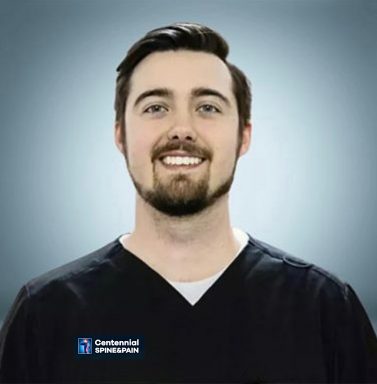
Andrew Blythe P.A.

Nevada

Andrew Blythe, PA-C is an advanced practice provider joining the practice from Tennessee. He received his bachelors degree from the University of Tennessee in Knoxville, TN where he graduated Summa Cum Maude from the Chancellors Honors Program.

Andrew Blythe, PA-C is an advanced practice provider joining the practice from Tennessee. He received his bachelors degree from the University of Tennessee in Knoxville, TN where he graduated Summa Cum Maude from the Chancellors Honors Program. While in college, he served as the student athletic trainer for the mens baseball team and was an essential member of Applied Physiology Research Laboratory. He received his Masters in Physician Assistant Studies from Trevecca Nazarene University in Nashville, TN. While in training, his focus was on acute care and trauma. He has extensive experience in both orthopedic surgery and interventional pain management. He is happily married and has two precious little girls. He enjoys spending time with family, watching Tennessee football, and Sunday brunch. Andrew is thrilled to be joining the practice and to help serve the people of Las Vegas.

Linda-Corall

Linda Corral N.P.

New Mexico

Linda Corral is a board-certified Family Nurse Practitioner and a native of New Mexico. With nearly 20 years of experience in healthcare, she has held various roles throughout her career. Linda began as a certified nursing assistant before earning her bachelor’s degree from New Mexico State University in 2007. In 2022, she earned her master’s degree from Grand Canyon University. She has experience providing care to pediatric, adult, and geriatric populations in her community.

1740417761239

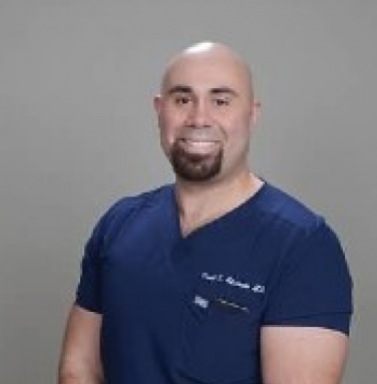
Christopher Harb, DO

Illinois

Christopher Harb, DO, earned both his bachelor’s degree and medical degree from Michigan State University. He completed his anesthesiology residency at DMC/Wayne State University School of Medicine, followed by an interventional pain fellowship at Rush University Medical Center in Chicago. Dr. Harb then completed an endoscopic spine surgery fellowship at the University of Florida and was the second-ever graduate of the nation’s only dedicated endoscopic spine fellowship. 

Christopher Harb, DO, earned both his bachelor’s degree and medical degree from Michigan State University. He completed his anesthesiology residency at DMC/Wayne State University School of Medicine, followed by an interventional pain fellowship at Rush University Medical Center in Chicago. Dr. Harb then completed an endoscopic spine surgery fellowship at the University of Florida and was the second-ever graduate of the nation’s only dedicated endoscopic spine fellowship. 

Dr. Harb is passionate about helping patients overcome chronic pain and regain quality of life. He focuses on providing durable or definitive treatment options for spinal conditions and is highly skilled in advanced interventional pain procedures and minimally invasive surgery.

Outside of medicine, he enjoys cooking, traveling, fitness, golf, and spending time with family and friends.

The Benefits Of Physical Therapy For Managing Chronic Pain

Chronic pain can significantly impact a person’s daily life, making even the simplest tasks a challenge. It can affect one’s ability to work, exercise, and engage in social activities, leading to feelings of frustration, anxiety, and depression. While pain medication can provide temporary relief, it’s not a long-term solution, and it can come with a host of side effects.

Physical therapy is a safe and effective treatment option for managing chronic pain. It involves working with a trained therapist who can assess your condition, develop a personalized treatment plan, and guide you through exercises that can help alleviate pain and improve your overall quality of life.

Here are some of the benefits of physical therapy for managing chronic pain:

  1. Pain relief: Physical therapy can provide significant pain relief for many people. Therapists use a variety of techniques, such as manual therapy, stretching, and strengthening exercises, to help reduce pain and improve mobility.
  2. Improved function: Chronic pain can make it difficult to perform daily activities, such as walking, bending, and lifting. Physical therapy can help improve your function and ability to perform these activities with less pain and more ease.
  3. Reduced dependence on medication: Physical therapy can help reduce your reliance on pain medication, which can have unpleasant side effects and can be addictive.
  4. Improved mental health: Chronic pain can take a toll on your mental health, leading to feelings of anxiety and depression. Physical therapy can help improve your mental health by providing a sense of control over your pain and by promoting relaxation and stress reduction.
  5. Personalized treatment: Physical therapy is highly individualized, with treatment plans tailored to your specific needs and goals. This personalized approach can help ensure that you receive the most effective treatment possible.
  6. Long-term benefits: Unlike pain medication, which only provides temporary relief, physical therapy can provide long-term benefits by addressing the underlying cause of your pain and helping to prevent future episodes.

In conclusion, physical therapy is an effective treatment option for managing chronic pain. By reducing pain, improving function, and promoting mental and physical well-being, it can help you regain control of your life and enjoy a higher quality of life. If you’re struggling with chronic pain, consider working with a physical therapist to develop a personalized treatment plan that can help you achieve your goals.

Advantages of an Ambulatory Surgery Center (ASC) over a Hospital

When it comes to medical procedures that do not require an overnight stay, ambulatory surgery centers (ASCs) have emerged as a popular alternative to traditional hospitals. ASCs are specialized facilities that offer a wide range of outpatient surgeries and procedures. In this blog post, we will explore the advantages of ASCs over hospitals and why patients and healthcare providers are increasingly opting for these centers.

Cost-effectiveness:

One of the most significant advantages of ASCs is their cost-effectiveness. ASCs generally have lower overhead costs compared to hospitals, allowing them to offer services at a lower price. Patients benefit from reduced facility fees, lower anesthesia costs, and shorter recovery periods, resulting in lower overall medical expenses. Additionally, ASCs often have transparent pricing models, making it easier for patients to understand and plan for the cost of their procedures.

Specialized Care:

ASCs focus on providing specialized care in specific medical areas, such as orthopedics, ophthalmology, gastroenterology, and pain management. This specialization allows ASCs to concentrate their resources, equipment, and staff expertise in these specific areas, leading to improved outcomes and patient satisfaction. Patients can benefit from the expertise of dedicated healthcare professionals who are experienced in performing specific procedures, ultimately enhancing the quality of care provided.

Convenience and Efficiency:

ASCs are designed to optimize convenience and efficiency for patients. Unlike hospitals, ASCs have streamlined processes and shorter wait times. The scheduling of procedures is often more efficient, with reduced delays and cancellations. Since ASCs primarily focus on outpatient surgeries, patients can typically undergo their procedures and return home on the same day, minimizing disruption to their daily routines. The patient-centered environment of ASCs contributes to a more positive and efficient healthcare experience.

Lower Infection Rates:

Hospital-acquired infections are a concern for patients undergoing surgical procedures. ASCs have demonstrated lower infection rates compared to hospitals due to their controlled and sterile environments. ASCs adhere to rigorous infection control protocols, and their limited patient population reduces the risk of exposure to contagious diseases. This focus on infection prevention contributes to safer surgical experiences and better overall patient outcomes.

Personalized Attention and Continuity of Care:

ASCs often provide a more personalized and intimate care experience compared to hospitals. The smaller size of ASCs allows for a higher nurse-to-patient ratio, enabling more individualized attention and support. Patients often develop a closer relationship with their healthcare providers at ASCs, leading to enhanced communication and continuity of care. This personalized approach fosters trust and confidence in the healthcare team and can result in improved patient satisfaction.

Conclusion:

Ambulatory surgery centers offer several advantages over hospitals, including cost-effectiveness, specialized care, convenience, lower infection rates, and personalized attention. These centers provide patients with a comfortable, efficient, and patient-centered environment for outpatient surgeries and procedures. As the demand for high-quality, cost-effective healthcare continues to rise, ASCs have emerged as valuable alternatives, providing excellent care while meeting the unique needs and preferences of patients and healthcare providers alike.

Staying Active and Exercising Safely with Chronic Pain

Living with chronic pain can be challenging, but it doesn’t mean that you have to give up on staying active and exercising. In fact, regular exercise can help reduce pain, improve mood, and increase overall quality of life. Here are some tips for staying active and exercising safely with chronic pain:

  1. Start slow and gradually increase intensity: It’s important to start with low-impact exercises, such as walking, swimming, or cycling, and gradually increase the intensity and duration over time. This will help you avoid injury and reduce the risk of exacerbating your pain.
  2. Listen to your body: Pay attention to how your body feels during and after exercise. If you experience pain or discomfort, it’s important to rest and adjust your exercise routine accordingly.
  3. Incorporate stretching and flexibility exercises: Gentle stretching and flexibility exercises, such as yoga or Pilates, can help reduce muscle tension, increase range of motion, and improve overall mobility.
  4. Consider working with a physical therapist: A physical therapist can help you develop a safe and effective exercise plan that is tailored to your specific needs and limitations. They can also teach you proper form and technique to help reduce the risk of injury.
  5. Use pain management techniques: Before and after exercise, use pain management techniques such as hot or cold therapy, massage, or meditation to help reduce pain and discomfort.
  6. Don’t overdo it: It’s important to balance physical activity with rest and recovery time. Overdoing it can lead to injury and worsen pain.
  7. Stay hydrated and well-nourished: Proper hydration and nutrition are essential for maintaining overall health and energy levels. Make sure to drink plenty of water and eat a balanced diet that includes plenty of fruits, vegetables, lean protein, and whole grains.

By following these tips, you can stay active and exercise safely with chronic pain. Remember to be patient and gentle with yourself, and to always listen to your body’s needs.

Advancing Surgical Care: Benefits of Minimally Invasive Surgery for Reducing Pain and Recovery Time

Advancements in medical technology have revolutionized the field of surgery, offering patients more options for effective treatment with reduced pain and faster recovery. One such innovation is minimally invasive surgery (MIS). In this blog post, we will explore the benefits of MIS and how it has transformed the surgical landscape, providing patients with improved outcomes and enhanced quality of life.

Reduced Pain:

One of the significant advantages of minimally invasive surgery is the reduction in postoperative pain. Unlike traditional open surgery, MIS involves smaller incisions, resulting in less trauma to the surrounding tissues. This reduced tissue damage leads to decreased pain and discomfort after the procedure. Moreover, smaller incisions often require fewer or smaller sutures, contributing to a more comfortable recovery experience for patients.

Faster Recovery Time:

MIS techniques promote faster recovery compared to traditional open surgery. The smaller incisions used in MIS require less healing time, allowing patients to resume their daily activities more quickly. Additionally, MIS minimizes the risk of complications such as infections, as the smaller incisions reduce the exposure of internal organs to external pathogens. With a shorter hospital stay and a faster return to normal functioning, patients can regain their independence and quality of life sooner.

Reduced Scarring:

Minimally invasive surgery leaves smaller, more discreet scars compared to traditional open surgery. The smaller incisions utilized in MIS result in minimal scarring, which can have significant aesthetic and psychological benefits for patients. Reduced scarring not only boosts self-confidence but also eliminates the discomfort and potential complications associated with extensive scar tissue.

Lower Risk of Infection:

The smaller incisions in MIS techniques significantly decrease the risk of surgical site infections. In traditional open surgery, large incisions provide a greater area for potential bacterial contamination. In contrast, MIS minimizes the exposure of internal organs, reducing the chances of infection. This advantage not only contributes to a smoother recovery process but also decreases the need for additional medical interventions to manage postoperative infections.

Improved Cosmetic Outcomes:

For surgeries where visible scarring is a concern, such as cosmetic or reconstructive procedures, minimally invasive techniques offer superior cosmetic outcomes. Smaller incisions and precise surgical tools enable surgeons to achieve more refined and natural-looking results. This benefit can greatly enhance the overall satisfaction and confidence of patients who undergo procedures for aesthetic purposes.

Enhanced Precision and Accuracy:

MIS utilizes advanced technologies such as laparoscopic cameras, robotic assistance, and image-guided systems, providing surgeons with enhanced precision and accuracy during procedures. The high-definition visualization and magnification offered by these technologies allow surgeons to navigate delicate anatomical structures with greater precision, reducing the risk of complications. This level of precision contributes to improved surgical outcomes and patient safety.

Conclusion:

Minimally invasive surgery has revolutionized the field of surgical care, offering numerous benefits to patients. From reduced postoperative pain and faster recovery time to improved cosmetic outcomes and lower infection risks, the advantages of MIS are undeniable. As medical technology continues to advance, the future of surgical care holds even more promise for enhancing patient experiences and optimizing outcomes. By embracing minimally invasive techniques, patients can look forward to a more comfortable and efficient journey towards recovery and improved overall well-being.

How is Pain and Mental Health Connected?

Mental health and pain are closely linked, and people who suffer from chronic pain are more likely to experience mental health issues like depression, anxiety, and stress. Here are some ways in which mental health and pain are connected:

  1. Pain can cause or worsen mental health problems: Living with chronic pain can be a source of ongoing stress and anxiety, and it can also interfere with sleep, work, and social activities. This can lead to depression, anxiety, and other mental health problems.
  2. Mental health problems can cause or worsen pain: On the other hand, mental health problems like anxiety and depression can also cause or worsen physical pain. This is because stress and anxiety can increase muscle tension and inflammation, which can exacerbate pain.
  3. The brain processes pain and emotions in similar ways: The brain regions that process physical pain and emotional distress overlap, which means that mental health problems can influence how we perceive and cope with pain. This is why people who are anxious or depressed may have a lower pain tolerance and find it harder to manage their pain.
  4. Pain and mental health issues can create a vicious cycle: When pain and mental health problems are present together, they can create a negative cycle that is difficult to break. Pain can worsen mental health, which can worsen pain, and so on. This can make it harder to find effective treatment and improve overall quality of life.

For these reasons, it’s important to address both physical and mental health when treating chronic pain. This might include a combination of medication, physical therapy, psychotherapy, and self-care strategies to manage both pain and mental health symptoms.

Chronic Pain

Common Causes Of Chronic Pain And How To Identify Them

Chronic pain is a persistent pain that lasts for more than three to six months. It can be caused by a variety of factors, including injury, disease, or lifestyle. In this blog, we will discuss some common causes of chronic pain and how to identify them.

1. Arthritis
Arthritis is a common cause of chronic pain. It is a disease that causes inflammation in the joints, leading to pain, stiffness, and swelling. Arthritis can affect any joint in the body, but it most commonly affects the knees, hips, and hands.

Symptoms: Joint pain, stiffness, swelling, decreased range of motion

2. Fibromyalgia
Fibromyalgia is a chronic pain disorder that affects the muscles, tendons, and ligaments. It can cause widespread pain, fatigue, and sleep disturbances. The cause of fibromyalgia is unknown, but it is believed to be related to changes in the central nervous system.

Symptoms: Widespread pain, fatigue, sleep disturbances, headaches

3. Back pain
Back pain is a common cause of chronic pain. It can be caused by injury, poor posture, or a medical condition such as herniated discs or spinal stenosis.

Symptoms: Pain in the back or neck, stiffness, limited range of motion

4. Headaches
Headaches are a common cause of chronic pain. They can be caused by tension, migraines, or other medical conditions.

Symptoms: Pain or pressure in the head, sensitivity to light and sound, nausea

5. Neuropathic pain
Neuropathic pain is caused by damage to the nerves. It can be caused by injury, disease, or medication. Neuropathic pain can be difficult to treat and can last for a long time.

Symptoms: Burning, tingling, or shooting pain, numbness, weakness

How to identify chronic pain:

Chronic pain can be difficult to diagnose because there is no specific test for it. However, there are some signs that can help you identify chronic pain:

  1. Pain that lasts for more than three to six months
  2. Pain that is constant or recurring
  3. Pain that affects your daily activities
  4. Pain that does not go away with over-the-counter pain medication

If you are experiencing chronic pain, it is important to talk to your healthcare provider. They can help you identify the cause of your pain and develop a treatment plan. Treatment may include medication, physical therapy, or other therapies depending on the cause of the pain.

dwdewdew