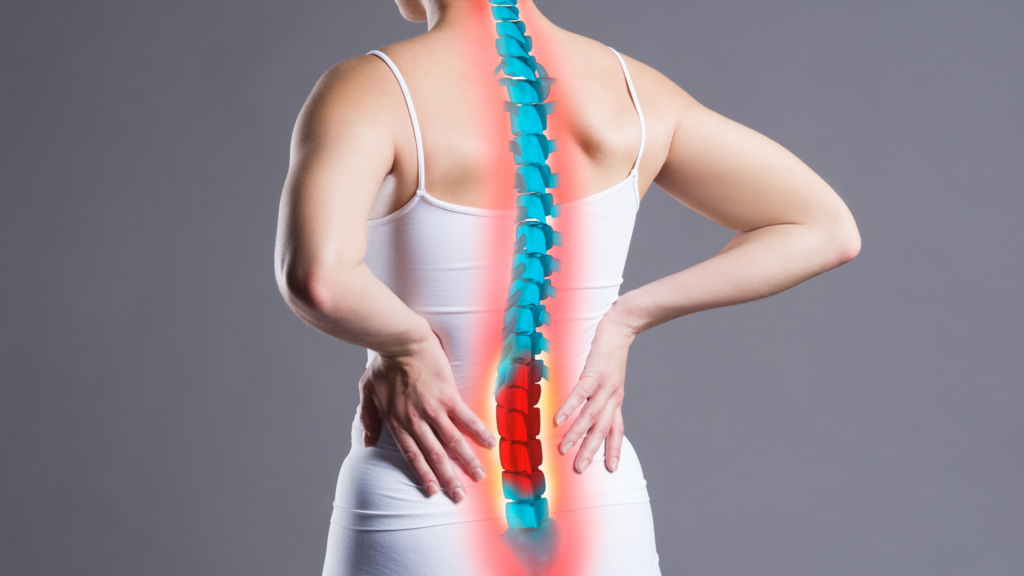


Many people associate lumbar spinal stenosis with shooting leg pain, numbness, or sciatica. While these symptoms are common, they are not required for a diagnosis. In fact, some patients develop lumbar spinal stenosis without sciatica, experiencing persistent lower back pain that gradually interferes with daily life.
Because there is no radiating leg pain, many individuals assume their discomfort is simply a normal part of aging or a muscle strain. However, ongoing back pain caused by narrowing of the spinal canal should not be ignored. Early evaluation can identify the underlying cause and help prevent symptoms from worsening.
What Is Lumbar Spinal Stenosis Without Sciatica?
Lumbar spinal stenosis without sciatica is a condition in which the spaces within the lower spine become narrowed, placing pressure on structures inside the spinal canal without significantly compressing the sciatic nerve roots.
As the spinal canal narrows, nearby joints, ligaments, and other spinal structures may become irritated, leading to chronic lower back pain even when leg symptoms are absent.
The condition most commonly develops because of age-related changes, including:
- Degenerative disc disease
- Arthritis of the facet joints
- Thickening of spinal ligaments
- Bone spur formation
- Mild spinal instability
Why Doesn’t Everyone Develop Sciatica?
Lumbar spinal stenosis without sciatica occurs when the narrowing primarily affects the central spinal canal or surrounding structures without significantly irritating the nerve roots that travel into the legs.
Instead of nerve pain, patients often experience:
- Localized lower back pain
- Morning stiffness
- Pain after prolonged standing
- Fatigue in the lower back
- Reduced walking tolerance
- Difficulty standing fully upright
What Does Lumbar Spinal Stenosis Without Sciatica Feel Like?
Persistent Lower Back Pain
Persistent lower back pain is often the primary symptom of lumbar spinal stenosis without sciatica. The discomfort may worsen throughout the day or after physical activity.
Stiffness
Many patients notice significant stiffness after waking up or following long periods of sitting.
Pain While Standing
Standing for extended periods frequently increases pressure inside the spine, making symptoms worse.
Difficulty Walking Long Distances
Some individuals develop aching or fatigue in the lower back after walking several minutes, even without leg pain.
Improved Comfort While Leaning Forward
Many patients notice temporary relief when leaning over a shopping cart, walker, or countertop because bending forward slightly increases space inside the spinal canal.
Who Is Most Likely to Develop Lumbar Spinal Stenosis?
- Age over 50
- Osteoarthritis
- Degenerative disc disease
- Previous spinal injuries
- Prior spine surgery
- Congenitally narrow spinal canal
- Repetitive heavy lifting
- Excess body weight
How Is Lumbar Spinal Stenosis Diagnosed?
An accurate diagnosis begins with a comprehensive evaluation.
Your provider will typically perform:
- A detailed medical history
- Physical examination
- Assessment of posture and walking
- Range of motion testing
- Neurological examination
Imaging studies may include:
- X-rays
- MRI
- CT scan (when necessary)
MRI is often the most helpful imaging study because it clearly shows narrowing around the spinal canal, discs, ligaments, and nerves.
Can Lumbar Spinal Stenosis Get Worse Without Treatment?
Yes. Lumbar spinal stenosis is generally a progressive condition.
While symptoms may remain stable for some people, others experience:
- Increasing back pain
- Reduced mobility
- Decreased walking endurance
- Balance problems
- Development of leg pain or sciatica
- Weakness as nerve compression progresses
What Treatments Are Available?
Treatment depends on symptom severity, imaging findings, and your overall health.
Physical Therapy
Physical therapy focuses on improving spinal flexibility, strengthening core muscles, improving posture, increasing walking tolerance, and reducing stress on the lumbar spine.
Medications
Your physician may recommend medications to reduce inflammation or help manage pain during flare-ups.
Epidural Steroid Injections
When inflammation contributes to symptoms, epidural steroid injections may reduce irritation around the spinal canal and provide meaningful pain relief.
Minimally Invasive Procedures
For patients whose symptoms persist despite conservative care, minimally invasive procedures may help relieve pressure on the spinal canal while avoiding traditional open surgery. Depending on your condition, your physician may discuss image-guided decompression procedures designed to create more space around affected spinal structures.
Surgery
Surgery is generally reserved for patients with significant spinal narrowing, progressive neurological symptoms, severe functional limitations, or symptoms that do not improve with nonsurgical treatment.
When Should You See a Spine Specialist?
You should seek evaluation if your lower back pain:
- Lasts longer than several weeks
- Continues to worsen
- Limits daily activities
- Makes walking difficult
- Interferes with sleep
- Returns repeatedly despite home treatment
Immediate medical attention is recommended if back pain is accompanied by:
- New leg weakness
- Loss of bowel or bladder control
- Numbness in the groin or saddle area
Why Is Early Evaluation Important?
Lumbar spinal stenosis without sciatica can still significantly affect quality of life, even when pain remains confined to the lower back. Identifying the cause of persistent back pain allows your physician to recommend targeted treatments before symptoms become more severe.
Modern nonsurgical therapies and minimally invasive procedures have helped many patients reduce pain, improve mobility, and maintain an active lifestyle without extensive surgery.
Conclusion
Lumbar spinal stenosis without sciatica is often overlooked because it lacks the classic shooting leg pain that many people associate with spinal stenosis. However, persistent lower back pain, stiffness, and reduced mobility may still indicate narrowing within the lumbar spine.
If your back pain has not improved with rest or continues to interfere with your daily activities, a comprehensive evaluation can help determine the underlying cause and identify treatment options that may relieve pain and restore function.
Frequently Asked Questions
Can you have spinal stenosis without sciatica?
Yes. Lumbar spinal stenosis may cause chronic lower back pain without radiating leg pain if the narrowing does not significantly compress the sciatic nerve roots.
Is lumbar spinal stenosis always painful?
Not always. Some people have imaging findings of spinal stenosis without symptoms, while others experience persistent back pain, stiffness, or difficulty walking.
Can lumbar spinal stenosis be treated without surgery?
Yes. Many patients improve with physical therapy, activity modification, medications, spinal injections, and other minimally invasive treatments.
Does lumbar spinal stenosis get worse over time?
It can. The condition often progresses gradually as degenerative changes continue, making early evaluation beneficial for symptom management.
Should I see a doctor if I only have back pain?
Yes. Persistent lower back pain without sciatica can still indicate lumbar spinal stenosis or another spinal condition that deserves professional evaluation.