Please be advised that Centennial Spine and Pain does NOT write prescriptions for an initial consultation.

Providers

Dr. L_1

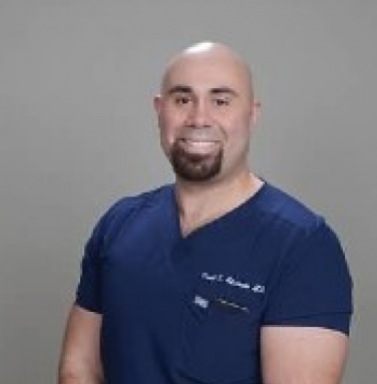
David Lanzkowsky, MD

Nevada

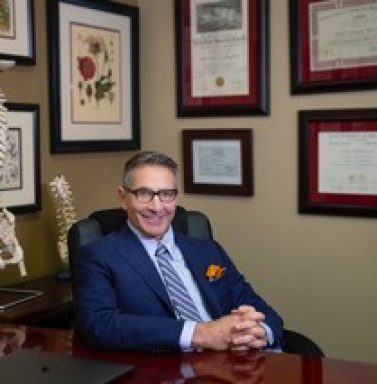
David Lanzkowsky, MD, is a board-certified anesthesiologist with nearly four decades of experience. The founder of Centennial Spine and Pain in Las Vegas, Nevada, Dr. Lanzkowsky is passionate about helping those in his care find lasting relief from acute and chronic pain. Education has always played a central role in Dr. Lanzkowsky’s life.

David Lanzkowsky, MD, is a board-certified anesthesiologist with nearly four decades of experience. The founder of Centennial Spine and Pain in Las Vegas, Nevada, Dr. Lanzkowsky is passionate about helping those in his care find lasting relief from acute and chronic pain. Education has always played a central role in Dr. Lanzkowsky’s life. He completed his medical degree at Ponce Health Sciences University in Puerto Rico. He went on to refine his skills and training through an internship at Sinai Hospital of Baltimore in Maryland and residencies at North Shore University Hospital in Manhasset, New York, and Stony Brook Medicine in New York. In addition to years of hands-on medical care in the field of anesthesiology, Dr. Lanzkowsky has extensive experience in the med-legal field. He’s provided medical expertise for both plaintiffs and defendants during litigation, an experience that gives him a unique perspective when it comes to patient care. Dr. Lanzkowsky also provides in-depth second-opinion reports to give patients deeper insight into their treatment options. Extensive review of an individual’s medical record combined with a thorough diagnostic work-up can give patients a wider scope with which to view their treatment planning. Staying abreast of advancements in interventional pain relief is important to Dr. Lanzkowsky. He spends considerable time and effort researching the tools and techniques used to enhance his patients’ lives. Dr. Lanzkowsky can deliver services in both English and Spanish. When not working with patients, he enjoys spending time with his family. They especially enjoy exploring all of the outdoor adventures available in Park City, Utah.

David Alvarado

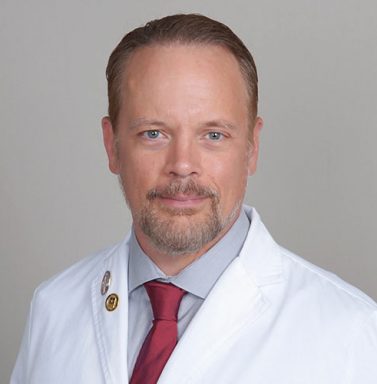
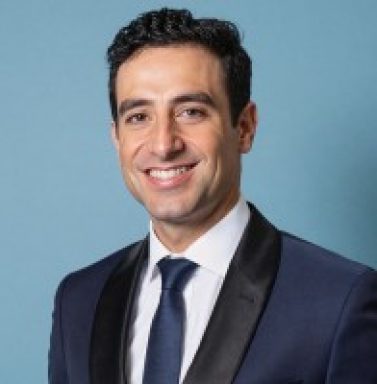
David Alvarado, MD

Nevada

After earning a bachelor’s degree with honors in microbiology from Oregon State University, he completed his Doctor of Medicine from Jefferson Medical College at Thomas Jefferson University in Philadelphia, PA.

A surgery internship at the University of Colorado at Anschutz followed. The University of Southern California served as the site for his anesthesiology residency and interventional pain management fellowship.
Dr. Alvarado was drawn to the pain management field through his desire to concisely target a specific point of anatomy or physiology without having to drastically alter the anatomy in order to improve someone’s life and functionality. “Any unknown pain condition that people don’t know how to treat, I want to see what I can do,” he said.
When approaching medication management as part of developing treatment plans, Dr. Alvarado tailors every aspect to each patient. “Pathology is diverse and varies among patients,” he said. “I will do my utmost to help my patients to the best of my ability and constantly search out other solutions if needed.”
When looking toward the future of pain management, there are a number of treatments and technologies Dr. Alvarado is excited about to help his patients. Some of the methods include advancements in spinal cord stimulators, SI fusions, endoscopic rhizotomies and dorsal root ganglion stimulation.
Away from the office, Dr. Alvarado may be found on the golf course, lifting weights, walking his chihuahua, and spending time with his wife and daughter.

Robert-Sawyer

Robert Sawyer M.D.

Nevada

Dr. Robert C. Sawyer is a dual board-certified Interventional Pain Management and Family Medicine physician with over nine years of clinical experience and 25 years of military service. He has extensive expertise in providing comprehensive care for chronic pain patients through advanced interventions such as spinal cord stimulator implants, interspinous process devices, vertebral nerve ablations, and intrathecal drug delivery systems.

Dr. Robert C. Sawyer is a dual board-certified Interventional Pain Management and Family Medicine physician with over nine years of clinical experience and 25 years of military service. He has extensive expertise in providing comprehensive care for chronic pain patients through advanced interventions such as spinal cord stimulator implants, interspinous process devices, vertebral nerve ablations, and intrathecal drug delivery systems. Dr. Sawyer’s background includes serving as an Interventional Pain Management Physician at Womack Army Medical Center, as well as various leadership roles in military medicine, including Chief Medical Officer for the California Medical Detachment and Primary Care Physician for Special Forces personnel. He holds board certifications in both Pain Management and Family Medicine, with a fellowship in Interventional Pain Management from Brooke Army Medical Center. Dr. Sawyer is also an accomplished military officer, with numerous awards, including the Bronze Star Medal and Meritorious Service Medals.

Dr. Krauchuck

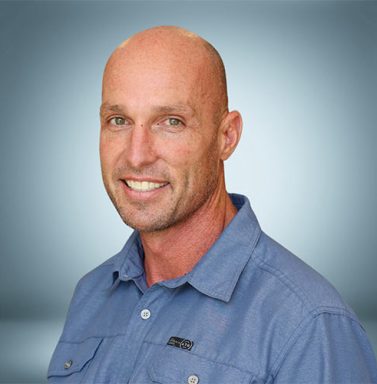
Daniel Krauchuk D.O.

Nevada

Dr. Krauchuk is a double board-certified physician in Pain Medicine and Physical Medicine & Rehabilitation. He combines interventional pain management with physical conditioning to help patients achieve lasting results. A lifelong athlete, he brings the same discipline and dedication to his medical practice.

As a double board certified physician in Pain Medicine and Physical Medicine and Rehabilitation, Dr. Krauchuk has a strong belief in interventional pain management practices as well as strengthening the body through exercise to achieve results. Dr. K is a life-long athlete and to this day keeps a regimented schedule of two workouts per day and surfs regularly. When he’s not working or surfing, Dr. K spends his time doing motor sports or enjoying blues or jazz. 

Nels-Dahlgren

Nels Dahlgren M.D.

New Mexico

Dr. Dahlgren is triple board certified in Anesthesia, Interventional Pain Medicine and Addiction Medicine. His primary focus is comprehensive pain medicine. With extensive experience in the New Mexico area he looks forward to bringing advanced interventional pain management to members of the community.

Dr. Dahlgren is triple board certified in Anesthesia, Interventional Pain Medicine and Addiction Medicine. His primary focus is comprehensive pain medicine. With extensive experience in the New Mexico area he looks forward to bringing advanced interventional pain management to members of the community.

John-Watkins

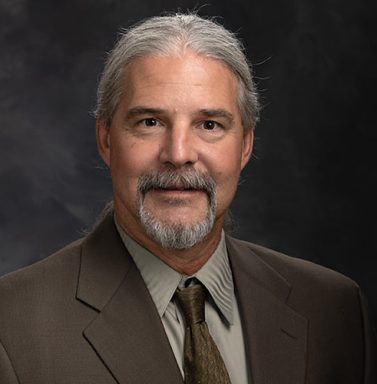
John Watkins M.D.

New Mexico

Dr. Watkins earned degrees in Psychology and Biology at UNLV where he also completed requirements for medical school matriculation. After graduation Dr. Watkins completed his studies in Medicine at the University of Nevada Reno 1988. He was fortunate to have trained at UCLA in General Surgery and Anesthesiology and remained at UCLA/VA Medical Center as faculty and professor.

Dr. Watkins is a board-certified and accomplished Anesthesiologist and Pain Management specialist with a broad range of technical and clinical expertise mastering both complex pain management and anesthesia. This perspective provides him with the insight and experience to identify the most appropriate and effective methods of treating the full variety of spinal and neuropathic pain conditions.  His experience includes tertiary university settings, private practice and working at New Mexico Pain Centers and previously New Mexico Bone & Joint Institute.  He was Chief of Pain Management and Chief of Anesthesia on a Native Reservation at TCRHCC from 2011 to 2018. He has recently joined Centennial Spine and Pain in Albuquerque.

Dr. Watkins earned degrees in Psychology and Biology at UNLV where he also completed requirements for medical school matriculation. After graduation Dr. Watkins completed his studies in Medicine at the University of Nevada Reno 1988. He was fortunate to have trained at UCLA in General Surgery and Anesthesiology and remained at UCLA/VA Medical Center as faculty and professor. He went into private practice after six years and has been a founder of multi-disciplinary pain management centers in the Los Angeles area and established the first interventional pain center for Native Americans in the USA. He has been in medical practice for over thirty years.

His experience includes extensive experience in the Neurosurgical treatment of pain and medical management of pain conditions in private practice in California Arizona and New Mexico. Dr. Watkins surgical expertise includes spinal cord implants and stabilization techniques as well as cutting edge interventional pain management procedures.

Andrew 1

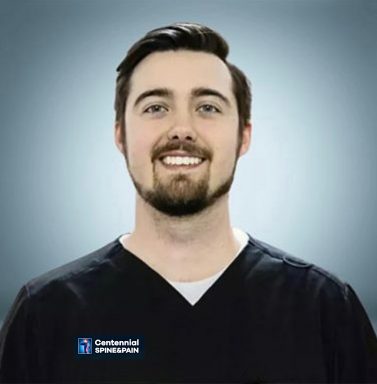
Andrew Blythe P.A.

Nevada

Andrew Blythe, PA-C is an advanced practice provider joining the practice from Tennessee. He received his bachelors degree from the University of Tennessee in Knoxville, TN where he graduated Summa Cum Maude from the Chancellors Honors Program.

Andrew Blythe, PA-C is an advanced practice provider joining the practice from Tennessee. He received his bachelors degree from the University of Tennessee in Knoxville, TN where he graduated Summa Cum Maude from the Chancellors Honors Program. While in college, he served as the student athletic trainer for the mens baseball team and was an essential member of Applied Physiology Research Laboratory. He received his Masters in Physician Assistant Studies from Trevecca Nazarene University in Nashville, TN. While in training, his focus was on acute care and trauma. He has extensive experience in both orthopedic surgery and interventional pain management. He is happily married and has two precious little girls. He enjoys spending time with family, watching Tennessee football, and Sunday brunch. Andrew is thrilled to be joining the practice and to help serve the people of Las Vegas.

Linda-Corall

Linda Corral N.P.

New Mexico

Linda Corral is a board-certified Family Nurse Practitioner and a native of New Mexico. With nearly 20 years of experience in healthcare, she has held various roles throughout her career. Linda began as a certified nursing assistant before earning her bachelor’s degree from New Mexico State University in 2007. In 2022, she earned her master’s degree from Grand Canyon University. She has experience providing care to pediatric, adult, and geriatric populations in her community.

1740417761239

Christopher Harb, DO

Illinois

Christopher Harb, DO, earned both his bachelor’s degree and medical degree from Michigan State University. He completed his anesthesiology residency at DMC/Wayne State University School of Medicine, followed by an interventional pain fellowship at Rush University Medical Center in Chicago. Dr. Harb then completed an endoscopic spine surgery fellowship at the University of Florida and was the second-ever graduate of the nation’s only dedicated endoscopic spine fellowship. 

Christopher Harb, DO, earned both his bachelor’s degree and medical degree from Michigan State University. He completed his anesthesiology residency at DMC/Wayne State University School of Medicine, followed by an interventional pain fellowship at Rush University Medical Center in Chicago. Dr. Harb then completed an endoscopic spine surgery fellowship at the University of Florida and was the second-ever graduate of the nation’s only dedicated endoscopic spine fellowship. 

Dr. Harb is passionate about helping patients overcome chronic pain and regain quality of life. He focuses on providing durable or definitive treatment options for spinal conditions and is highly skilled in advanced interventional pain procedures and minimally invasive surgery.

Outside of medicine, he enjoys cooking, traveling, fitness, golf, and spending time with family and friends.

Finding Strength in Community: Resources and Support Groups for Those Living with Chronic Pain

Living with chronic pain can be isolating and challenging, but you don’t have to face it alone. Connecting with others who understand your experiences can provide invaluable support and encouragement. In this blog post, we will explore various resources and support groups available for individuals living with chronic pain, helping them find solace, empowerment, and a sense of community on their journey towards better well-being.

Online Communities and Forums:

The internet offers a wealth of online communities and forums dedicated to chronic pain. Websites like Inspire, Pain Doctor, and The Mighty host discussion boards where individuals can share their stories, seek advice, and connect with others facing similar challenges. These platforms allow for anonymous participation, providing a safe space for individuals to express their concerns, find empathy, and gather insights from those who have firsthand experience with chronic pain.

National Organizations:

Numerous national organizations are committed to supporting individuals living with chronic pain. The American Chronic Pain Association (ACPA), the Chronic Pain Association of Canada (CPAC), and Pain Alliance Europe are just a few examples. These organizations provide resources, educational materials, and support networks to help individuals navigate their pain journey. They often offer online support groups, helplines, and informational webinars to foster a sense of community and empowerment.

Social Media Groups:

Social media platforms like Facebook and Instagram host a multitude of chronic pain support groups. These groups provide a platform for individuals to share their stories, ask questions, and offer support to one another. Simply searching for relevant keywords such as “chronic pain support” or “fibromyalgia support” on these platforms can lead you to dedicated communities where you can connect with individuals who can relate to your experiences.

Local Support Groups:

Seeking out local support groups in your area can provide a valuable opportunity for face-to-face interactions with individuals who understand the challenges of living with chronic pain. These groups may be organized by healthcare facilities, community centers, or local chapters of national organizations. Participating in these support groups allows for in-person discussions, sharing coping strategies, and building meaningful connections within your community.

Pain Management Centers and Clinics:

Pain management centers and clinics often offer comprehensive programs that include support groups as part of their services. These groups are typically led by healthcare professionals and provide a safe and supportive environment for individuals to discuss their experiences, learn pain management techniques, and receive guidance from experts. Consulting with your healthcare provider or conducting a local search can help you find pain management centers or clinics with support group offerings in your area.

Therapy and Counseling:

Therapy and counseling can be beneficial for individuals living with chronic pain. Mental health professionals, such as psychologists or therapists, can provide guidance, coping strategies, and emotional support tailored to the unique challenges of managing chronic pain. They can help you navigate the emotional impact of chronic pain, address any underlying mental health concerns, and develop effective pain management techniques.

Finding resources and support groups for those living with chronic pain is crucial for fostering a sense of community, empowerment, and understanding. Online communities, national organizations, social media groups, local support groups, pain management centers, and therapy/counseling services are all valuable avenues for connecting with others facing similar challenges. By tapping into these resources, individuals can gain knowledge, find solace, and build a support network that helps them navigate their pain journey with strength and resilience. Remember, you are not alone—there is a community waiting to embrace you and walk alongside you on your path to managing chronic pain.

Prepare For Surgery

Preparing for Surgery

Preparing for surgery can be a stressful and daunting experience. However, with the right preparation and mindset, you can help ensure a smooth and successful surgery and recovery. Here are some tips to help you prepare for surgery:

  • Follow your doctor’s instructions: Your doctor will provide you with specific instructions on how to prepare for your surgery. It’s important that you follow these instructions carefully and ask any questions you may have. This may include fasting before the surgery, stopping certain medications, or avoiding certain activities.
  • Get your affairs in order: Before your surgery, it’s a good idea to take care of any personal affairs. This may include arranging for someone to take care of your pets, paying bills in advance, and informing your workplace or school of your absence.
  • Prepare your home: Depending on the type of surgery, you may need to make adjustments to your home to ensure a safe and comfortable recovery.
  • Arrange for transportation: You will likely be unable to drive yourself home after the surgery, so make sure you arrange for transportation in advance. This may involve asking a family member or friend to drive you, or hiring a ride-share service.
  • Get your support system in place: Having a strong support system can make all the difference during your recovery. Reach out to friends and family members and let them know what kind of help you may need after your surgery.
  • Practice relaxation techniques: Surgery can be a stressful experience, but practicing relaxation techniques like deep breathing, meditation, or yoga can help reduce anxiety and promote relaxation.
  • Focus on a healthy lifestyle: Prior to surgery, it’s important to focus on maintaining a healthy lifestyle. This includes eating a nutritious diet, getting regular exercise, and avoiding unhealthy habits like smoking or excessive drinking.
  • Stay positive: Finally, it’s important to stay positive and maintain a hopeful outlook. A positive mindset can help reduce stress and promote healing after your surgery.

Preparing for surgery can be a challenging experience, but by following these tips and working closely with your doctor and support system, you can help ensure a successful surgery and recovery. Remember to stay positive and focus on taking care of yourself before and after your surgery.

Staying Active and Exercising Safely with Chronic Pain

Living with chronic pain can be challenging, but it doesn’t mean that you have to give up on staying active and exercising. In fact, regular exercise can help reduce pain, improve mood, and increase overall quality of life. Here are some tips for staying active and exercising safely with chronic pain:

  1. Start slow and gradually increase intensity: It’s important to start with low-impact exercises, such as walking, swimming, or cycling, and gradually increase the intensity and duration over time. This will help you avoid injury and reduce the risk of exacerbating your pain.
  2. Listen to your body: Pay attention to how your body feels during and after exercise. If you experience pain or discomfort, it’s important to rest and adjust your exercise routine accordingly.
  3. Incorporate stretching and flexibility exercises: Gentle stretching and flexibility exercises, such as yoga or Pilates, can help reduce muscle tension, increase range of motion, and improve overall mobility.
  4. Consider working with a physical therapist: A physical therapist can help you develop a safe and effective exercise plan that is tailored to your specific needs and limitations. They can also teach you proper form and technique to help reduce the risk of injury.
  5. Use pain management techniques: Before and after exercise, use pain management techniques such as hot or cold therapy, massage, or meditation to help reduce pain and discomfort.
  6. Don’t overdo it: It’s important to balance physical activity with rest and recovery time. Overdoing it can lead to injury and worsen pain.
  7. Stay hydrated and well-nourished: Proper hydration and nutrition are essential for maintaining overall health and energy levels. Make sure to drink plenty of water and eat a balanced diet that includes plenty of fruits, vegetables, lean protein, and whole grains.

By following these tips, you can stay active and exercise safely with chronic pain. Remember to be patient and gentle with yourself, and to always listen to your body’s needs.

The Importance of Proper Posture and Ergonomics In Preventing Pain

Proper posture and ergonomics play a crucial role in preventing pain, particularly in the neck, shoulders, and back. Poor posture and ergonomics can put undue stress on the muscles and joints, leading to pain and discomfort over time. Here are some reasons why proper posture and ergonomics are important for preventing pain:

  1. Reduces strain on muscles and joints: Proper posture and ergonomics help to distribute weight evenly across the body, reducing the strain on muscles and joints. This can help prevent pain and discomfort in the neck, shoulders, and back.
  2. Improves circulation and breathing: Good posture can improve circulation and breathing, allowing the body to function more efficiently and reducing the risk of pain and discomfort.
  3. Prevents degenerative changes: Poor posture can contribute to degenerative changes in the spine, which can lead to chronic pain and other health problems over time.
  4. Increases energy levels: Proper posture and ergonomics can help reduce fatigue and increase energy levels by improving blood flow and oxygenation.

So, how can you ensure that you maintain proper posture and ergonomics? Here are some tips:

  1. Sit and stand up straight: Make sure that your shoulders are back and relaxed, and that your ears are aligned with your shoulders. Avoid slouching or hunching forward.
  2. Use ergonomic equipment: Use ergonomic chairs, keyboards, and other equipment that are designed to support proper posture and reduce strain on the body.
  3. Adjust your workspace: Make sure that your computer monitor is at eye level and that your keyboard and mouse are at a comfortable height. Adjust your chair so that your feet are flat on the ground and your knees are at a 90-degree angle.
  4. Take breaks: Take frequent breaks throughout the day to stretch and move your body. This can help prevent muscle stiffness and fatigue.

By practicing proper posture and ergonomics, you can reduce your risk of pain and discomfort and improve your overall health and well-being. Remember to make small adjustments throughout the day and to listen to your body’s needs.

Road to Recovery: Medical Treatment After a Car Wreck

Being involved in a car wreck can be a traumatic experience, and the aftermath often requires immediate medical attention. Seeking prompt and appropriate medical treatment is crucial for both your physical well-being and the success of your recovery. In this blog post, we will explore the importance of seeking medical care after a car wreck, common injuries that may occur, and the types of treatments available to aid in your healing process.

Importance of Seeking Medical Care:

Following a car wreck, adrenaline and shock can mask symptoms of injuries, making it essential to seek medical care regardless of whether you believe you’re seriously hurt. Here’s why it’s crucial to prioritize medical attention:

  • Early Detection: Many injuries resulting from car wrecks may not exhibit immediate symptoms. Seeking medical care promptly allows healthcare professionals to evaluate your condition thoroughly and detect any hidden injuries that may worsen if left untreated.
  • Documentation for Insurance Claims: Seeking medical treatment establishes a vital paper trail, providing evidence of your injuries and their relation to the car wreck. This documentation is invaluable when filing insurance claims or seeking compensation for medical expenses and damages.

Common Car Wreck Injuries and Treatments:

Car wrecks can cause a wide range of injuries, varying in severity. Here are some common injuries and corresponding treatments:

  • Whiplash: Whiplash occurs when the neck jerks back and forth suddenly, leading to strain in the neck muscles and ligaments. Treatment typically involves pain management, physical therapy, and exercises to restore range of motion and strengthen the affected area.
  • Head Injuries: Head injuries, including concussions and traumatic brain injuries (TBIs), can result from the impact of a car wreck. Medical treatment may involve neurological evaluations, imaging tests, rest, and monitoring for potential complications.
  • Broken Bones and Fractures: The force of a car wreck can lead to fractures in various parts of the body. Treatment for fractures typically involves immobilization through casting, splinting, or surgery, followed by physical therapy to aid in rehabilitation and regain strength and mobility.
  • Soft Tissue Injuries: Soft tissue injuries, such as sprains, strains, and contusions, can affect muscles, tendons, and ligaments. Treatment may include rest, pain management, physical therapy, and in some cases, surgical intervention.
  • Emotional Trauma: Car wrecks can also cause emotional trauma, such as anxiety, depression, or post-traumatic stress disorder (PTSD). Seeking counseling or therapy from mental health professionals can be instrumental in managing and overcoming these emotional challenges.

If you’ve been involved in a car wreck, prioritizing your health and seeking medical treatment is vital for a successful recovery. Even if you feel fine initially, injuries can manifest later, so it’s crucial not to ignore any potential symptoms. Remember to document your medical treatments and follow your healthcare provider’s advice for optimal healing. By seeking timely medical care and adhering to recommended treatments, you can increase your chances of a full recovery and regain control of your life after a car wreck.

Note: The information provided in this blog post is for informational purposes only and should not be considered medical or legal advice. Consult with a healthcare professional and/or legal expert for personalized guidance based on your specific situation.

A Comprehensive Approach to Addressing Neuropathy in an Ambulatory Surgery Center

Neuropathy, a condition characterized by damage or dysfunction of the nerves, affects a significant number of individuals worldwide. It can lead to various symptoms such as pain, numbness, tingling, and muscle weakness. Addressing neuropathy requires a comprehensive approach that encompasses diagnosis, treatment, and ongoing management. Ambulatory surgery centers (ASCs) play a crucial role in providing specialized care and interventions to individuals suffering from neuropathy. In this blog post, we will explore the importance of ASCs in addressing neuropathy and discuss the various strategies employed by these centers to improve patient outcomes.

Advanced Diagnostic Capabilities:

One of the key strengths of ambulatory surgery centers is their advanced diagnostic capabilities. ASCs often house state-of-the-art equipment and employ specialized healthcare professionals who are trained in diagnosing neuropathy. These centers utilize nerve conduction studies, electromyography, and other diagnostic tools to accurately assess nerve damage and determine the underlying causes of neuropathy. Early and accurate diagnosis is essential in formulating an appropriate treatment plan.

Multidisciplinary Approach:

ASCs follow a multidisciplinary approach to neuropathy management, bringing together a team of healthcare professionals from various specialties. Neurologists, pain management specialists, physical therapists, and nutritionists collaborate to develop personalized treatment plans for patients. This integrated approach ensures that all aspects of neuropathy, including pain management, physical rehabilitation, and lifestyle modifications, are addressed holistically.

Minimally Invasive Surgical Interventions:

When conservative treatments fail to provide adequate relief, ambulatory surgery centers offer minimally invasive surgical interventions for neuropathy. Procedures such as nerve decompression surgeries, neuroma excision, and peripheral nerve blocks are performed in ASCs, allowing patients to undergo surgery and return home on the same day. Minimally invasive techniques result in faster recovery, reduced complications, and improved patient satisfaction.

Pain Management:

Pain management is a significant aspect of neuropathy treatment. ASCs provide various pain management modalities, including medication management, nerve blocks, and non-invasive techniques such as transcutaneous electrical nerve stimulation (TENS). These approaches aim to alleviate pain, improve function, and enhance the overall quality of life for patients living with neuropathy.

Patient Education and Support:

ASCs place great emphasis on patient education and support throughout the treatment process. Patients are provided with comprehensive information about their condition, treatment options, and self-care measures. Educational resources, support groups, and counseling services are also made available to individuals and their families. By empowering patients with knowledge and support, ASCs contribute to better patient outcomes and increased adherence to treatment plans.

Neuropathy can significantly impact an individual’s quality of life, but ambulatory surgery centers play a vital role in addressing this condition effectively. With their advanced diagnostic capabilities, multidisciplinary approach, minimally invasive surgical interventions, comprehensive pain management, and patient education and support, ASCs provide a comprehensive and patient-centered approach to neuropathy care. By utilizing the expertise of specialized healthcare professionals, ASCs help individuals manage their neuropathy, alleviate symptoms, and regain control over their lives.

dwdewdew